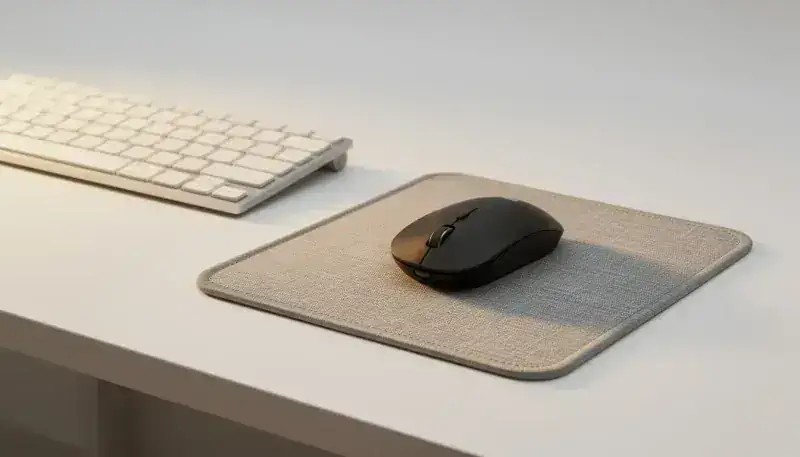
How to wash a cloth mouse pad
A cloth mouse pad quickly accumulates dust, crumbs and sweat residue, affecting both its look and your mouse accuracy. Most users don’t know that regular cleaning extends the pad’s lifespan and improves navigation performance. Discover proven methods to clean your mouse pad without damaging it, with professional results.
Why clean your cloth mouse pad regularly
Impact on mouse performance
Dust buildup gradually slows your mouse’s optical sensor and reduces responsiveness. Residues create excessive friction that hinders fluid movements, while accuracy loss becomes noticeable after a few weeks of intensive use. A clean pad ensures optimal navigation and a no-compromise user experience.
Extending the pad’s lifespan
Cleaning regularly prevents premature fiber wear and maintains the natural grip of the cloth. This simple maintenance represents significant long-term savings, because a well-maintained pad keeps its properties for years. Investing in preventive cleaning largely beats the cost of premature replacement.
Hygiene and health
Cloth mouse pads become bacteria and dust mite hubs, especially in warm and humid environments. This buildup creates allergy risks and an unhealthy work environment. Regular cleaning eliminates these microorganisms and creates a more hygienic workspace.
Preparation before cleaning
Equipment needed
- Vacuum with soft brush or clothing brush
- Lukewarm water and mild soap
- Microfiber towels
- Soft toothbrush (optional)
- Diluted white vinegar for stubborn stains
Pad inspection
Before starting, check the general state of the fibers and identify stains or critical zones needing particular attention. Assess overall dirt level to determine whether dry cleaning is enough or wet treatment is needed. This upfront inspection lets you tailor your approach to the specific needs of your pad.
Disconnection and safety
Always unplug the mouse and the USB cable before starting cleaning. Leave the pad at room temperature and check the maker’s recommendations, especially if you have a premium model. This precaution protects your electronics and ensures safe cleaning.
Dry cleaning method
Initial vacuuming
Start by vacuuming the entire pad surface using a soft brush to preserve fiber integrity. Focus particularly on heavy buildup zones, generally around the central click area. This first step removes 70-80% of dust without damage risk.
Deep brushing
Use a clothing brush with circular motions, respecting the fiber direction. Brushing lifts embedded residue the vacuum didn’t catch. Immediately remove the lifted debris with the vacuum to prevent it from settling back into the cloth.
Benefits of this method
Dry cleaning carries no soaking risk and is fast and effective for everyday dust. This approach particularly suits premium-quality pads, including the BuddyPad range, which benefits from optimal fiber protection. For most users, this method is enough to keep a pad spotless.
Wet cleaning for persistent stains
Solution preparation
Mix lukewarm water and mild soap in a balanced ratio, preferring a neutral or textile-specialized soap. Strictly avoid aggressive products, bleach or solvent-containing products that damage the fibers. A gentle solution is enough to effectively treat the majority of stains without discoloration risk.
Application and dabbing
Lightly dampen a microfiber towel with the prepared solution and dab the stains without scrubbing vigorously. Dabbing motions transfer dirt to the cloth without damaging the fibers. Let act 5 to 10 minutes for stubborn stains before rinsing.
Treating tough stains
For persistent organic stains, diluted white vinegar is very effective. Baking soda excellently treats odors by absorbing the responsible molecules. Let sit 15 minutes before rinsing to allow natural products to act in depth. This eco-friendly approach competes with commercial cleaners.
Rinsing
Use a damp towel soaked with clean water to fully rinse soap residue. Dab gently until the cleaning product is completely gone. Insufficient rinsing leaves residue that attracts dust and reduces pad grip.
Proper drying of the pad
Drying techniques
Air-dry at room temperature on a flat, well-ventilated surface. Strictly avoid direct sunlight which fades the cloth, and never use a hairdryer or radiator which damage the fibers. Natural ventilation guarantees uniform drying without deterioration risk.
Drying duration
Allow at least 4 to 6 hours for a complete wet cleaning before reusing your pad. Check that the pad is fully dry by lightly pressing the cloth to confirm no moisture remains. Incomplete drying encourages mold and compromises mouse performance.
Mold prevention
Ensure good air circulation by using a fan if needed, particularly in humid environments. Store your pad in a dry, cool place to prevent fungal proliferation. These precautions guarantee accessory longevity and maintain a healthy environment.
Recommended cleaning products
Natural solutions
Diluted white vinegar, baking soda, Marseille soap and distilled water make a complete, economical cleaning kit. These natural products avoid chemical risks while offering proven effectiveness. They’re particularly suited to sensitive pads needing a gentle approach.
Commercial products
Specialized textile cleaners, mild stain-removal sprays and cleaning foams offer fast, practical results. Choose mild formulas specifically designed for delicate fabrics. BuddyPad mouse pads are designed with fibers resistant to regular cleaning, making them easier to maintain than competing models.
Mistakes to avoid
Common mistakes
Never use water that’s too hot - it damages fibers, and avoid scrubbing aggressively instead of dabbing. Drying in direct sunlight and using aggressive chemical products are the major pitfalls of pad cleaning. These mistakes considerably reduce your accessory’s lifespan.
Damage risks
Inappropriate cleaning causes cloth discoloration, fiber deterioration and grip loss. These damages also compromise your mouse sensor performance. To maximize pad longevity, strictly follow the recommended methods.
Frequency and preventive maintenance
Cleaning schedule
Run a weekly vacuum if you use your pad intensively, complemented by a monthly wet cleaning. Do a complete quarterly inspection to identify problems before they get worse. This preventive schedule keeps your pad in optimal condition without excessive effort.
Daily habits
Keep your hands clean before use and avoid eating near your pad to minimize residue buildup. Store your accessory in a protected place when not in use. These simple habits considerably reduce intensive cleaning frequency.
Proper storage
Roll your pad gently without folding it excessively and place it in a dry, cool place. Use a protective cover to prevent dust accumulation during storage. Careful storage preserves the cloth’s shape and integrity.
Conclusion
Regularly cleaning your cloth mouse pad is simple, fast and significantly extends its lifespan. Dry methods are usually enough for routine maintenance, while wet cleaning effectively treats stubborn stains. Check our complete mouse pad maintenance guide to deepen your knowledge of computer accessory upkeep.
Discover our BuddyPad mouse pad lineup, designed for easy cleaning and maximum durability. Our pads combine premium quality and ease of maintenance to guarantee optimal performance for years.